

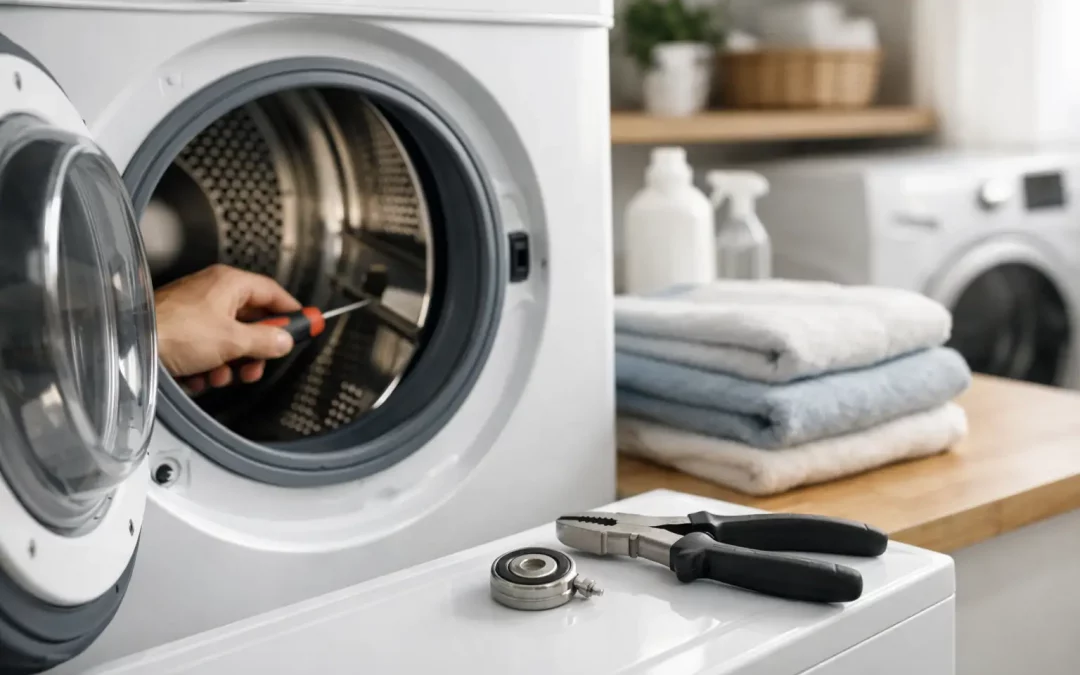
A squeaking dryer can turn an ordinary laundry load into a noise you cannot ignore. If you are asking, “why is my dryer squeaking,” the sound is usually coming from a moving part that is worn, loose, or no longer turning smoothly. The dryer may still heat and dry clothes for now, but continuing to run it can turn a small repair into a bigger breakdown.
For homeowners, the right next step depends on when the noise occurs, how loud it is, and whether the dryer is also showing other symptoms. A brief squeak from a new appliance can be different from a sharp, repeating squeal in an older dryer. Here is what the sound may mean and when it is time to schedule professional repair.
Why Is My Dryer Squeaking During a Cycle?
Inside an electric dryer, the drum rotates on support parts while a belt and motor keep it moving. When one of those components begins to wear down, friction creates a squeak, chirp, squeal, or thumping sound. The timing of the noise offers useful clues.
A squeak that starts as soon as the drum turns often points to a belt, drum roller, idler pulley, or bearing issue. A noise that gets louder as the dryer warms up may be caused by a part expanding under heat or a pulley that is losing lubrication. If the sound is intermittent, an item caught in the drum seal or a loose object in the drum may be involved.
Do not assume every squeak is harmless. A dryer that squeals loudly, smells hot, takes longer to dry, or has a drum that feels difficult to turn needs attention promptly. Those signs can indicate excessive strain on the motor or restricted airflow in addition to a worn mechanical part.
The Most Common Causes of a Squeaking Dryer
Worn drum rollers
Most dryers use drum rollers to support the drum as it rotates. Over time, rollers can wear flat, crack, collect lint, or lose their ability to spin freely. This often creates a rhythmic squeak or thump that repeats once or twice per drum rotation.
Rollers are a common repair on well-used dryers. They are normally accessed by opening the cabinet, which is why a technician will often inspect the belt, pulley, and other related parts at the same time. Replacing only one visibly worn roller can lead to another service call if the matching roller is close to failing.
A failing idler pulley
The idler pulley keeps tension on the dryer belt. When its bearing wears out, it can make a high-pitched squeal or chirping sound, especially at the beginning of a cycle. The noise may fade for a few minutes and return as the dryer continues running.
A failing pulley can eventually seize or damage the belt. If your dryer begins squeaking suddenly and the drum stops turning, the pulley or belt assembly may be the reason.
A worn or slipping dryer belt
The belt wraps around the drum and helps rotate it. With age, it can become stretched, frayed, glazed, or misaligned. A belt problem may produce a light squeak, a slapping sound, or a squeal when the load is heavy.
A worn belt does not always mean the belt alone is the problem. It can be a result of failing rollers or a pulley that is putting uneven pressure on it. Proper diagnosis matters because replacing a belt without correcting the source of the wear may only provide a short-term fix.
Drum bearing or rear support wear
Some dryer models use a rear drum bearing or support assembly instead of, or in addition to, rollers. When this part wears down, the dryer can make a grinding, scraping, or persistent squealing noise. You may also notice the drum has extra movement when you lift it by hand.
This repair can be more involved than changing a belt or pulley. It is still often worth repairing when the dryer is otherwise in good working condition, but the decision depends on the appliance’s age, condition, and the cost of the needed parts.
Something caught near the drum
Coins, bra wires, buttons, small screws, and other objects can slip between the drum and the front or rear seal. Sometimes the result is a scrape or metallic tick rather than a true squeak. In other cases, an object rubs against the moving drum and creates a sharp chirping sound.
Check the drum carefully with the dryer unplugged. Look around the drum edge, inside pockets, and beneath the lint filter area if it is accessible. Never reach into internal dryer components or remove cabinet panels unless you are confident in the process and the appliance has been disconnected from power.
Dryer motor problems
A motor bearing can also squeak, although it is less common than roller, pulley, or belt wear. Motor-related noise may be accompanied by a burning odor, inconsistent drum movement, humming, or the dryer shutting off during operation.
This is not a repair to delay. A struggling motor can overheat, and the underlying issue may be affecting other moving parts as well. Turn the dryer off and arrange a professional diagnosis if you suspect the motor.
Safe Checks to Try Before Calling for Dryer Repair
Start by stopping the dryer and unplugging it. Let the appliance cool completely if it has been running. Then check whether the squeak is caused by an overloaded drum, a loose item, or a simple maintenance issue.
Try running a small load after removing heavy items such as wet comforters, shoes, or several towels packed tightly together. An overloaded dryer can put extra pressure on the drum supports and belt. If the squeak happens only with very heavy loads, reduce load size, but do not treat that as a complete solution if the noise continues.
Clean the lint screen and make sure the dryer has adequate airflow. A clogged lint screen will not usually cause a squeak directly, but poor airflow makes the dryer run hotter and longer, adding stress to aging components. If clothes are taking multiple cycles to dry, the venting system should also be checked.
You can gently rotate the empty drum by hand with the dryer unplugged. Listen for scraping, rubbing, or resistance. A smooth, quiet turn is a good sign. A rough feel, wobble, or obvious squeak supports the case for an internal mechanical inspection.
Avoid spraying lubricants into the dryer cabinet, applying oil to the belt, or continuing to run the machine to “wear out” the noise. Household lubricants can attract lint, damage certain parts, and create additional mess or risk. The correct repair is replacement of the worn component, not a temporary coating.
When a Squeaking Dryer Needs Service Right Away
Book service soon if the squeak is loud, constant, or getting worse. You should also stop using the dryer if you notice a burning smell, smoke, a hot exterior, metal-on-metal grinding, a drum that does not turn, or a breaker that trips. These symptoms go beyond ordinary appliance noise.
A technician can inspect the drum support system, belt, pulley, motor, seals, and airflow during one visit. That inspection is valuable because several parts work together. A clear diagnosis helps you understand what failed, what needs to be replaced, and whether repair is the practical choice for your dryer.
For homeowners in Mississauga, Oakville, Brampton, Etobicoke, and Milton, Insta Fix Repairs provides on-site dryer diagnosis with straightforward estimates and a 90-day warranty on parts and labor. Same-day availability can help get laundry routines back on track without leaving you guessing about the cause of the noise.
Can You Keep Using a Dryer That Squeaks?
It depends on the sound and the condition of the appliance. A faint, occasional squeak with no heat, odor, or performance problems may allow time to arrange a service appointment. Still, it is best not to let it continue for weeks. Worn rollers, pulleys, and belts usually do not improve on their own.
If the sound is sharp, repetitive, or accompanied by poor drying performance, stop using the dryer until it is inspected. The trade-off is simple: pausing laundry for a short time is inconvenient, but running a failing dryer can damage related parts or leave you with a no-start appliance when you need it most.
A dryer should sound steady and ordinary in the background, not demand attention from another room. Acting when the squeak first appears gives you the best chance of a straightforward repair and a quieter laundry day.