

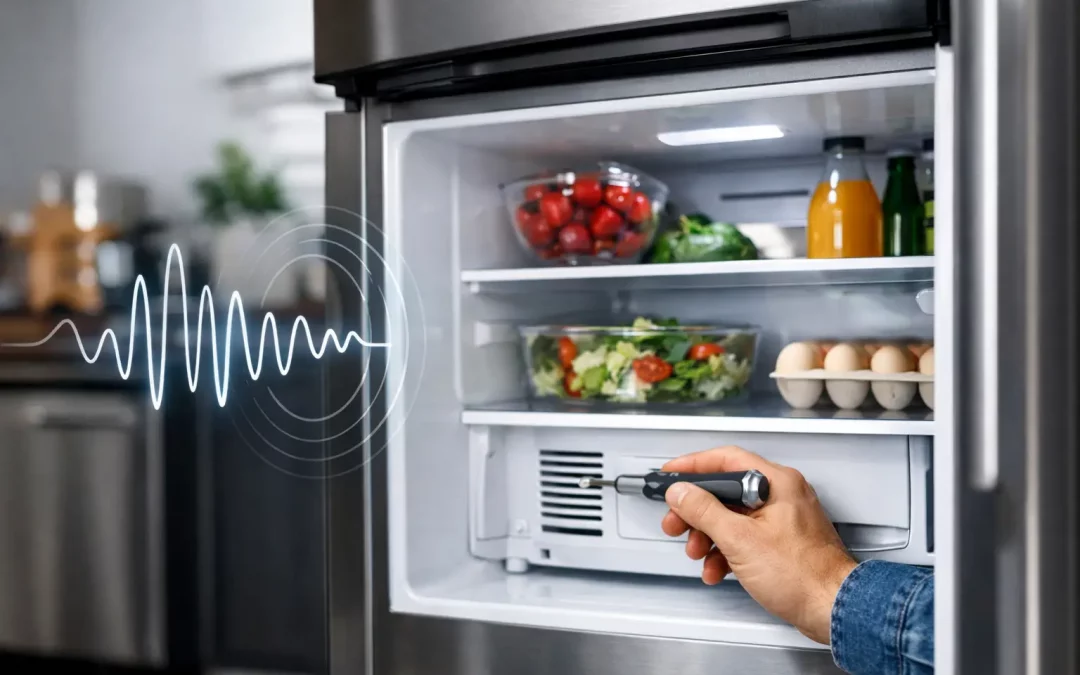
A refrigerator is never completely silent, but a new or unusually loud buzz can make you stop what you are doing fast. If you are asking, “why is my fridge buzzing,” the answer may be as simple as a loose item or as urgent as a failing fan, compressor, or electrical component. The key is noticing when the sound happens, where it comes from, and whether your refrigerator is still keeping food cold.
Why Is My Fridge Buzzing? Start With the Sound
A low, steady hum is usually normal. Your refrigerator’s compressor, fans, and defrost system all make some noise while they work. Many modern refrigerators also have ice makers, water valves, and electronic controls that create occasional clicks, whirs, or short buzzes.
What is not normal is a buzz that suddenly becomes louder, continues for long periods, rattles the appliance, or comes with poor cooling. A buzz paired with warm food, frost buildup, water leaks, a burning smell, or repeated clicking deserves prompt attention.
Before assuming a part has failed, listen closely. Is the noise coming from behind the refrigerator, inside the freezer, underneath the unit, or near the water connection? That detail helps narrow down the cause.
Common Reasons a Refrigerator Buzzes
The refrigerator is not level
A refrigerator that sits unevenly can vibrate against the floor, wall, cabinets, or its own internal components. This often creates a rattling buzz that gets louder when the compressor starts. It may also happen if the appliance has been moved recently or if flooring has shifted.
Gently pull the refrigerator forward and make sure it is not touching the wall or surrounding cabinets. Check that the adjustable front legs are firmly supported. Do not force the refrigerator into position or place unstable shims underneath it. A level refrigerator runs more quietly and helps the doors seal properly.
Something is vibrating on or around the refrigerator
Loose items are one of the easiest causes to rule out. A magnet, decorative item, container on top of the refrigerator, or even a pan stored against the side can vibrate when the compressor runs. Inside, glass jars or shelves may also buzz if they are touching.
Remove objects from the top and sides of the appliance, then leave a small gap between containers inside. If the noise disappears, the refrigerator itself may be working normally.
The condenser fan is dirty or worn
Many refrigerators have a condenser fan near the compressor at the back or bottom of the unit. Its job is to move air across the condenser and help release heat. Dust, pet hair, and debris can make the fan work harder, while a worn motor or damaged blade can create a noticeable buzzing or grinding sound.
If the buzz comes from the lower rear area and changes when the refrigerator cycles on, the condenser fan is a likely suspect. Cleaning accessible dust from around the appliance can help, but fan diagnosis and replacement are best left to a qualified technician. Refrigerators contain electrical components and sharp metal panels, and the wrong repair can turn a manageable issue into a larger one.
The evaporator fan is hitting ice
A buzz or scraping sound from inside the freezer often points to the evaporator fan. This fan circulates cold air through the freezer and refrigerator compartments. When frost or ice builds up around it, the blades can rub against the ice and make a loud buzzing, chirping, or knocking sound.
You may also notice weak airflow, uneven temperatures, frost on the freezer’s back wall, or food in the fresh-food section getting warmer than usual. The immediate noise may come from ice, but the underlying cause can be a defrost problem, faulty door seal, fan issue, or control failure. Simply chipping away ice can damage the fan or liner and may not solve the reason it formed.
The ice maker or water valve is buzzing
If your refrigerator has an ice maker or water dispenser, listen for when the buzz occurs. A short buzz during an ice-making cycle can be normal, especially when the water inlet valve opens. But a louder buzz that repeats without water entering the refrigerator may mean the water supply is turned off, the line is kinked, the filter is clogged, or the inlet valve is failing.
Check that the household water shutoff is open and the water line behind the refrigerator is not crushed. If the ice maker is trying to fill without a water supply, turn the ice maker off until the issue is resolved. This can prevent repeated strain on the water valve.
The compressor is working too hard
The compressor is the heart of the cooling system, and it normally produces a low hum. A loud or persistent buzz from the back of the refrigerator can mean the compressor is under stress. Dirty condenser coils, poor ventilation, a failing start relay, electrical problems, or a sealed-system issue can all contribute.
A compressor-related sound is more concerning when the refrigerator is not cooling well, runs nearly nonstop, or clicks repeatedly before the buzzing stops. Keep the doors closed as much as possible and arrange service quickly. Waiting can put refrigerated and frozen food at risk, especially during warm weather.
A loose drain pan, panel, or mounting part
Refrigerators have panels, brackets, and drain pans that can loosen over time. These parts may rattle only when the compressor or fan is running, which makes the sound seem more serious than it is. A technician can locate and secure the loose component during an on-site diagnosis.
The trade-off is simple: a minor vibration may not stop the refrigerator from cooling today, but ignoring it makes it harder to recognize a new and more serious sound later.
What You Can Safely Check Before Calling for Repair
There are a few homeowner checks that do not require taking the refrigerator apart. First, make sure the appliance has clearance from walls and cabinets and is sitting level. Next, remove items that may be vibrating, including anything stored on top.
Then check the temperature. The refrigerator compartment should feel consistently cold, and the freezer should keep food frozen solid. Look for obvious frost buildup, puddles, poor door sealing, or a water line that has become kinked. If the buzz is related to the ice maker, confirm that the water supply is on.
Avoid removing rear panels, touching wiring, or attempting compressor repairs. Do not keep unplugging and restarting the refrigerator repeatedly. If there is a burning smell, smoke, sparking, or a hot electrical odor, unplug the appliance if it is safe to do so and seek professional help right away.
When a Buzzing Refrigerator Needs Same-Day Attention
A refrigerator can make noise and still operate safely. However, you should not wait when buzzing comes with a cooling problem. Call for service promptly if the refrigerator is warm, the freezer is thawing, the unit clicks and fails to start, the sound becomes suddenly loud, or you see heavy frost around the freezer vents.
Food safety matters here. If your refrigerator is no longer holding a safe cold temperature, move perishable food to another working refrigerator or a cooler with ice while help is arranged. Keep doors closed to hold in as much cold air as possible.
For homeowners who need clear answers without the runaround, Insta Fix Repairs provides on-site refrigerator diagnosis, transparent estimates, and fast service across Mississauga, Oakville, Brampton, Etobicoke, and Milton. A trained technician can identify whether the issue is a fan, valve, relay, defrost component, compressor concern, or a simple vibration that needs to be corrected.
Prevent Future Refrigerator Buzzing
A little maintenance can reduce noise and help your refrigerator run efficiently. Leave space around the appliance for airflow, avoid overpacking the freezer vents, and check door gaskets for cracks or gaps. Keep the area around the refrigerator clean, especially in homes with pets that shed.
It also helps to pay attention to changes rather than trying to judge every normal sound. A refrigerator that has always made a quiet hum is different from one that suddenly buzzes loudly at night or begins running all day. That change is useful information for a technician and can make diagnosis faster.
If the buzzing does not stop after simple checks, trust what you are hearing. Booking a professional inspection early can protect your groceries, prevent a larger breakdown, and get your kitchen back to normal with less disruption.